Shoe Size Guide
Choosing the right footwear size is easier when the process is clear. This guide helps you measure your foot length, compare it with a general men’s shoe size reference, and understand how different VeroStride categories may feel across casual sneakers, loafers, dress shoes, training shoes, and outdoor footwear.
Measure your feet in the evening and use the longer foot as your size reference.
Compare your foot length with the size chart and review each product page before ordering.
Casual, formal, training, and outdoor shoes may each feel different based on structure and purpose.
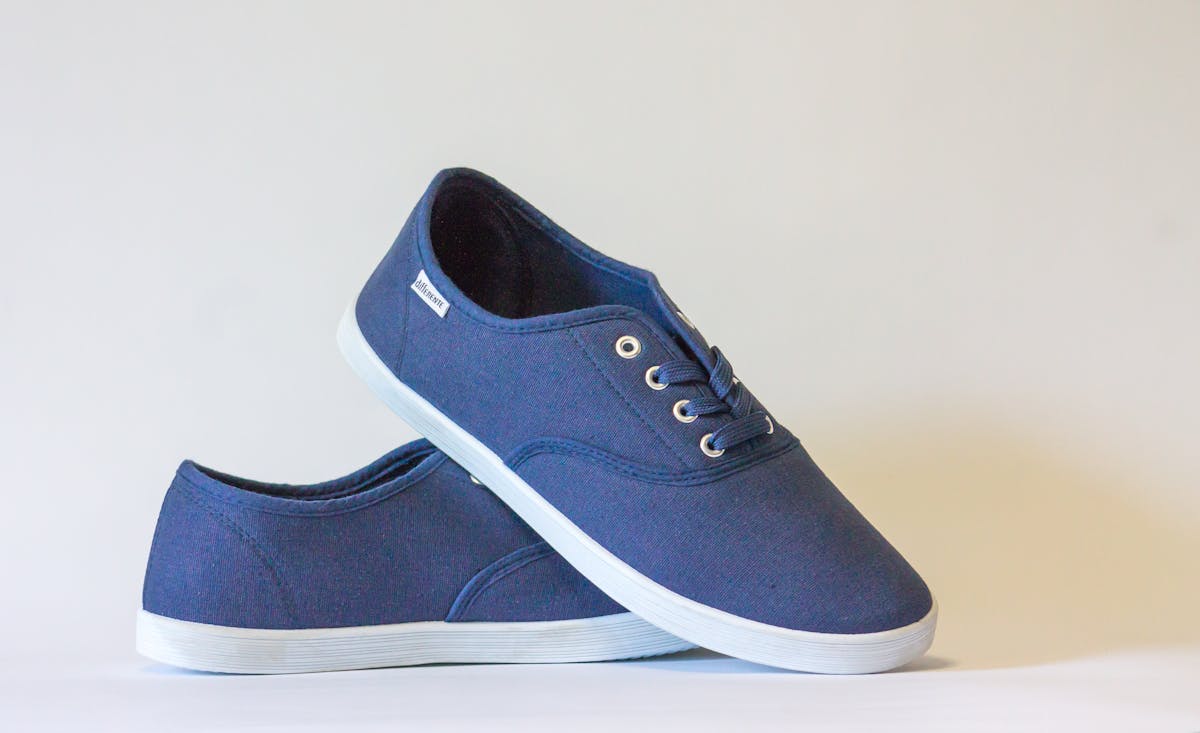
Start With Foot Length
A reliable size choice begins with a simple measurement, then a practical review of shoe style, intended use, and personal fit preference.
Check
How To Measure At Home
For the most accurate result, measure your feet at the end of the day when they are naturally at their fullest size. Wear the type of socks you plan to use with the shoes, stand with your weight evenly distributed, and measure both feet instead of assuming they are identical.
Place your heel against a wall, mark the longest toe point on paper, then measure the distance from the wall edge to the mark. If one foot is longer, choose your size based on the longer foot. A small amount of extra space at the toe is normal, especially for walking, training, and outdoor footwear.
Stand straight, place your heel against a wall, and measure from the wall to the longest toe.
Compare your measured length with the chart below, then review product-specific size notes if available.
A small amount of front room can help prevent pressure during walking, training, or longer wear.
Formal shoes, sneakers, slip-ons, and hiking shoes may feel different even when the listed size is the same.
General Men’s Size Reference
This chart is a general guide for men’s footwear sizing. Always compare with the product page and consider your foot width, socks, and preferred fit.
| US Men | Foot Length | EU Size | UK Size | Fit Note |
|---|---|---|---|---|
| 7 | Approx. 9.6 in / 24.4 cm | 40 | 6 | Best checked against product shape if your foot is narrow or wide. |
| 8 | Approx. 9.9 in / 25.4 cm | 41 | 7 | Common everyday size; review toe room for sneakers and slip-ons. |
| 9 | Approx. 10.3 in / 26.0 cm | 42 | 8 | Consider socks and activity level for training or outdoor shoes. |
| 10 | Approx. 10.6 in / 27.0 cm | 43 | 9 | Dress shoes may feel more structured than casual sneakers. |
| 11 | Approx. 10.9 in / 27.9 cm | 44 | 10 | Allow comfortable front space if using the shoe for walking or long wear. |
| 12 | Approx. 11.3 in / 28.6 cm | 45 | 11 | If between sizes, consider how structured or flexible the shoe is. |
| 13 | Approx. 11.6 in / 29.4 cm | 46 | 12 | Check product details carefully for width and upper material guidance. |
Fit By Shoe Category
A listed size is only one part of the fit. The shape of the upper, the sole profile, the closure system, and the intended use can all affect how the same size feels across different shoe categories.
Casual Sneakers & Minimal Sneakers
Everyday sneakers often feel more forgiving than formal shoes because the upper may have more flexibility. Choose a size that gives your toes comfortable room while still holding the heel securely.
Loafers & Slip-On Shoes
Slip-on styles depend more on secure midfoot and heel hold. If they are too loose, the heel may lift; if too tight, the top of the foot may feel compressed.
Dress Shoes, Oxford & Derby Shoes
Formal shoes can feel more structured. A polished fit should feel secure without pinching the toes or pressing sharply across the widest part of the foot.
Training & Outdoor Shoes
Training and hiking shoes should allow stable movement and slightly more front space, especially when walking downhill, wearing thicker socks, or staying active for long periods.
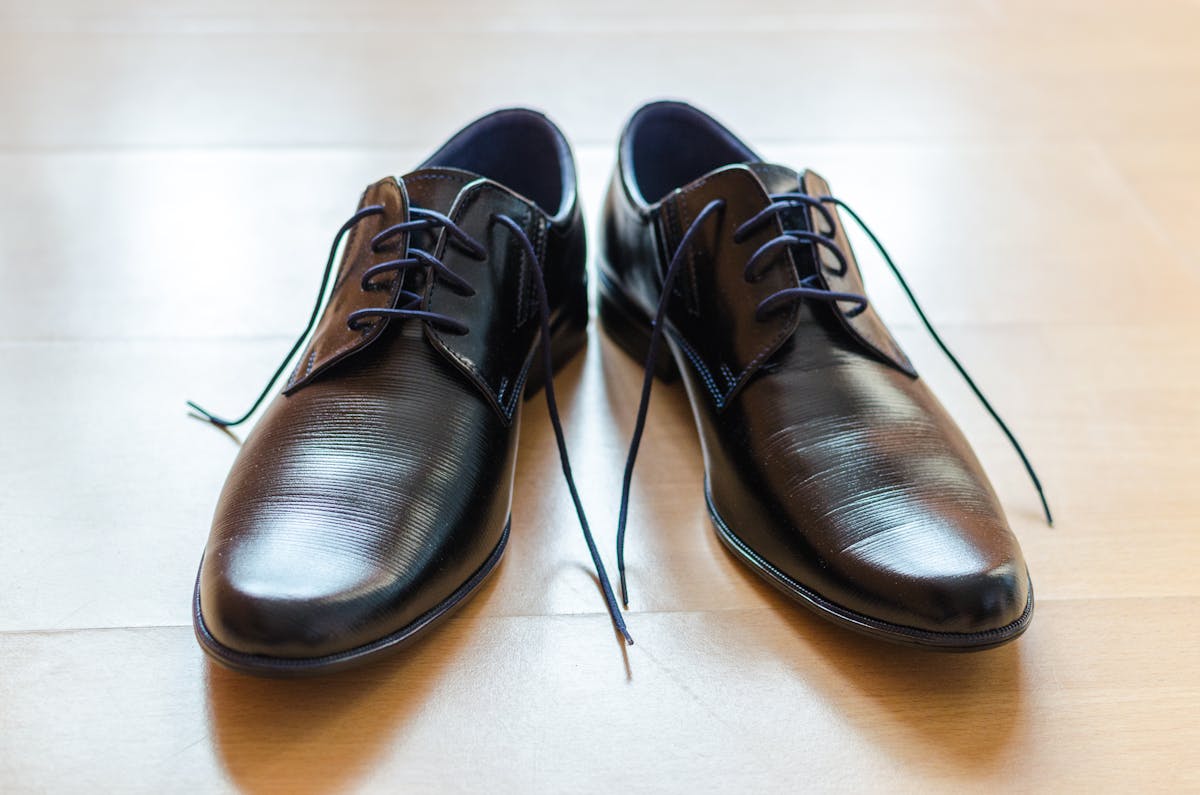
Consider Foot Width
Foot length does not always tell the full story. If your feet are wider, high-volume, or have a higher instep, you may need a style with more upper flexibility or a roomier toe shape.
Match Your Socks
Measure while wearing the socks you expect to use with the shoes. Thin dress socks, everyday socks, and thicker outdoor socks can change how snug the shoe feels.
Review The Purpose
If you are between sizes, think about the shoe’s purpose. Formal shoes may need a cleaner hold, while outdoor and training shoes often benefit from a little extra movement room.
Quick Fit Answers
Use these notes to resolve common fit questions before ordering. For product-specific guidance, always review the individual product page.
Measuring
Foot LengthShould I measure both feet?
Yes. Many people have one foot that is slightly longer than the other. Measure both feet and use the longer foot when comparing with the size chart.
When is the best time to measure?
Measure in the evening or after you have been on your feet for a while. Feet can expand slightly during the day, so this gives a more practical fit reference.
Should I measure with socks on?
Yes, wear the type of socks you plan to use with the shoes. Dress socks, athletic socks, and outdoor socks may affect the final fit differently.
Between Sizes
Fit ChoiceWhat should I do if I am between two sizes?
If you are between sizes, consider the shoe type and how you plan to wear it. For active, outdoor, or thicker-sock use, the slightly larger option may feel more comfortable. For formal shoes, review product details carefully because a clean, secure fit may matter more.
How much toe room should I have?
A small amount of front space is normal and can help prevent toe pressure. For walking, training, or outdoor use, extra front room can be especially helpful during movement.
Should loafers fit differently than sneakers?
Yes. Loafers and slip-on shoes need enough hold to prevent heel slipping, while sneakers may feel more flexible and forgiving. Always consider the structure of the shoe rather than size alone.
Fit Support
After PurchaseCan I ask support for help before ordering?
Yes. If you are unsure about sizing, category differences, or fit expectations, you can contact our support team before placing an order.
What if the size does not work after delivery?
VeroStride offers free returns and exchanges within 30 days. If the fit does not feel right, contact our support team with your order details so we can help review the next step.
What information should I include when asking for size help?
Please include your measured foot length, the size you usually wear, the shoe category you are considering, and whether you prefer a snug, standard, or roomier fit.
Need Help Choosing A Size?
If you are unsure which size to choose, our support team can help you review your foot measurement, preferred fit, and intended shoe category. Include your measured foot length and the product type you are considering for a clearer recommendation.